Maltloom Fungal Alpha-Amylase for Starch Breakdown in Food and Fermentation Processes
Fungal Alpha-Amylase for Controlled Starch Breakdown
Maltloom supplies Fungal Alpha-Amylase for production teams that need predictable starch hydrolysis in food and fermentation systems. It is selected where accessible starch must be converted into shorter dextrins and fermentable sugars without unnecessary process noise.
Use it in dough systems, cereal mashes, brewing adjunct work, distilling substrates, and starch-based fermentation where viscosity, sugar profile, volume, and throughput are all connected.
What Fungal Alpha-Amylase Does
Fungal Alpha-Amylase is an endo-acting amylase that hydrolyzes internal alpha-1,4 glucosidic bonds in gelatinized or accessible starch. In practical terms, it reduces long starch chains into dextrins and maltose-rich sugar fractions that downstream yeast, microbes, or processing steps can use more effectively.
Key processing effects:
- Faster starch opening in dough, mash, or slurry systems
- Lower viscosity when starch is limiting flow, mixing, or transfer
- Improved fermentable sugar availability for brewing, distilling, and fermentation
- More consistent dough performance where flour quality or damaged starch varies
- Cleaner process control because enzyme action can be managed through dosage, time, pH, temperature, and heat inactivation
Application Fit
| Application | Why production teams use it | Typical process benefit |
|---|---|---|
| Bakery and flour systems | Balances starch conversion during mixing, proofing, and baking | Better volume, crust color, crumb softness, and proof tolerance |
| Brewing and adjunct mashing | Helps convert cereal starch into dextrins and fermentable sugars | Higher extract from adjuncts and steadier wort preparation |
| Distilling | Supports starch liquefaction and saccharification strategies before fermentation | Improved sugar release and fermentation readiness |
| Starch-based fermentation | Conditions starch substrates for microbial conversion | More accessible carbohydrate profile and reduced viscosity |
| Cereal beverage and syrup processes | Adjusts dextrin profile and process flow | Improved solids handling and controlled sweetness development |
Operating Window and Process Control
Maltloom Fungal Alpha-Amylase is best evaluated in mildly acidic to near-neutral food and fermentation systems. It is commonly considered where the process sits around pH 4.0 to 6.5 and where starch is hydrated, gelatinized, or mechanically exposed enough for enzyme access.
Temperature fit depends on substrate, residence time, and target hydrolysis profile. It is generally used in bakery and mash conditions before a baking, boiling, pasteurization, or thermal hold step reduces residual activity.
For process trials, define these variables before setting dosage:
- Substrate — flour, malted grain, adjunct cereal, starch slurry, or mixed solids
- Starch accessibility — native, milled, damaged, cooked, gelatinized, or pretreated
- Target outcome — viscosity reduction, fermentable sugar lift, volume, color, softness, or extract
- Residence time — short dough contact, mash stage, or longer fermentation preparation
- Stop point — bake, boil, pasteurize, pH shift, or separation step
Bakery Use: Volume, Color, and Softness
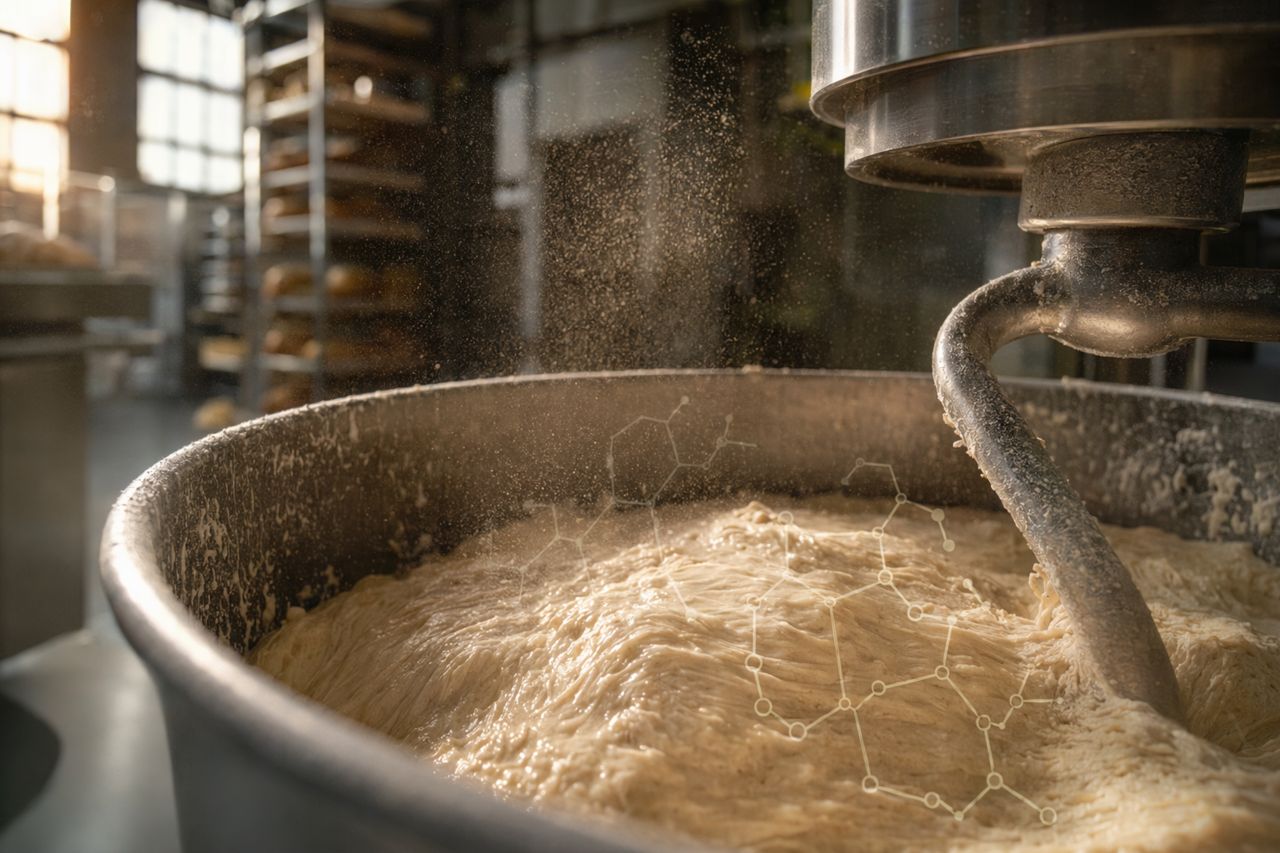
In bakery production, fungal alpha-amylase helps convert flour starch into smaller dextrins and sugars during dough development and proofing. This supports yeast nutrition, controlled browning, and crumb softness.
It is especially useful when teams need to stabilize performance across flour lots. Too little amylase activity can produce tight crumb, low color, and slow proof response. Excessive starch breakdown can create sticky dough or weak structure. The objective is balance: enough hydrolysis to support fermentation and eating quality, without compromising handling.
Brewing, Distilling, and Fermentation Use
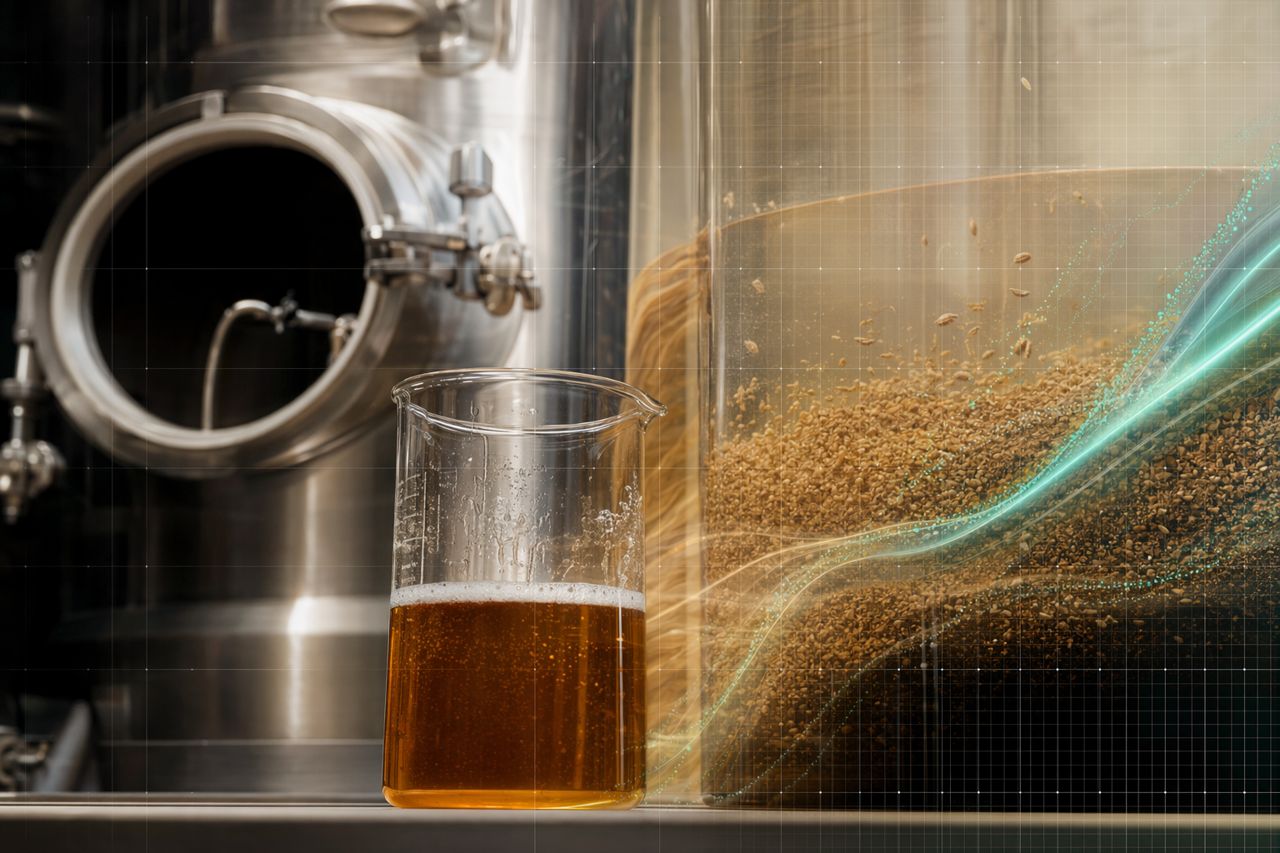
In cereal mashes and starch-based fermentations, Fungal Alpha-Amylase helps make carbohydrate more available. It can reduce viscosity, improve solids handling, and support a more consistent sugar profile before yeast or other microorganisms enter the process.
It is not a generic fix for poorly cooked starch. For best results, pair enzyme selection with correct milling, hydration, gelatinization, mixing, and residence time. When substrate preparation is controlled, fungal alpha-amylase becomes a precise lever for extract, fermentability, and throughput.
Formulation and Trial Guidance
A practical trial should compare at least three inclusion levels around your expected use point, while holding flour, grain, water, pH, temperature, and time constant. Measure the outcomes that matter commercially: dough handling, proof time, loaf volume, crumb texture, wort extract, viscosity, sugar profile, fermentation rate, or final yield.
Maltloom can support trial planning with application questions, sample format discussion, and documentation review. We do not publish activity-unit recommendations on-page because enzyme strength, substrate, and process design must be matched in a controlled technical exchange.
Specification and Procurement Confidence
For purchasing, QA, and production teams, Maltloom can align supply discussions around:
- Food or fermentation application target
- Powder or liquid format preference, where applicable
- Carrier and handling requirements
- Packaging size and storage expectations
- Allergen, GMO, kosher, halal, or regulatory documentation needs
- Batch consistency, lead time, and reorder planning
- Trial sample requirements before scale-up
Request Pricing or a Technical Sample
Tell us your substrate, process temperature range, pH, contact time, and intended outcome. Maltloom will respond with the most relevant format, documentation path, and commercial quotation.