Fungal Alpha-Amylase for Maltose Syrup and Starch Saccharification
Fungal Alpha-Amylase for maltose syrup and controlled starch saccharification
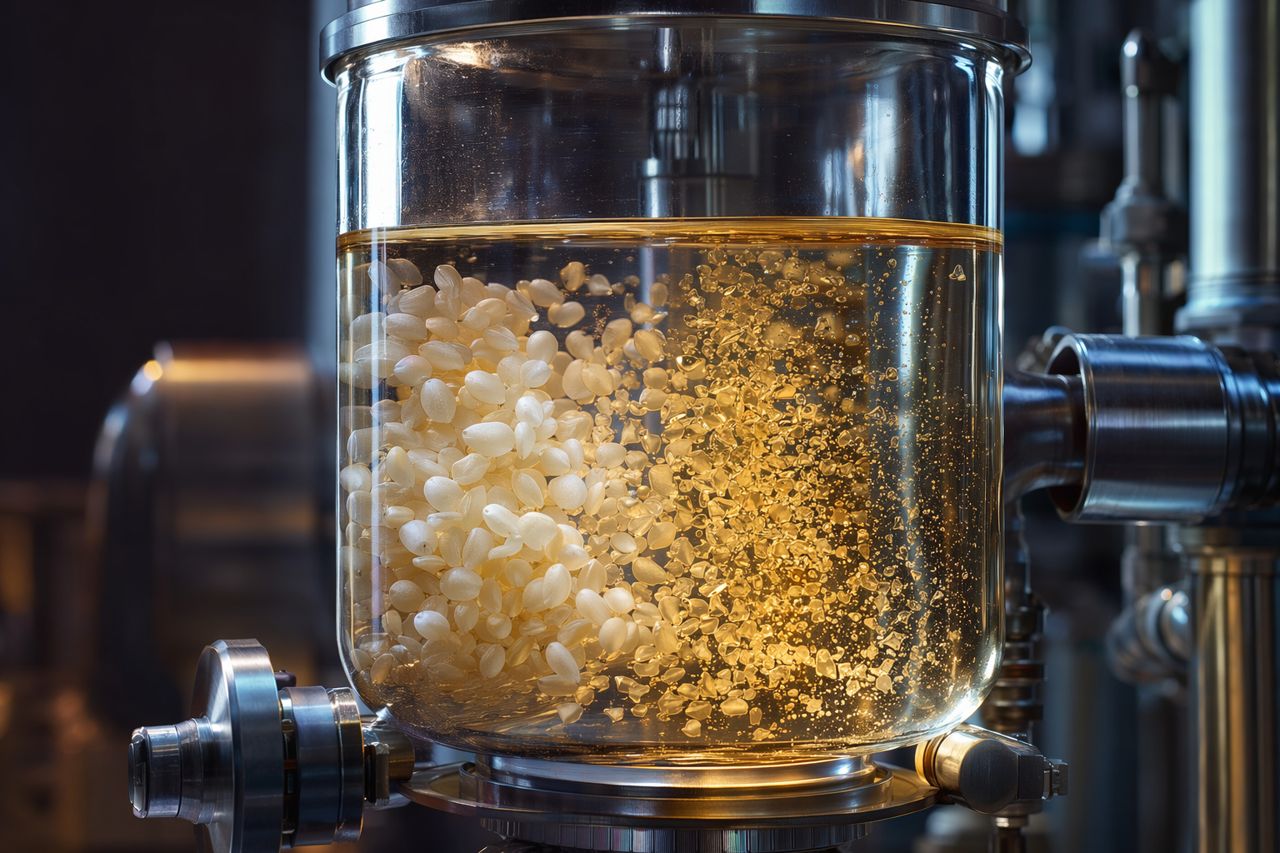
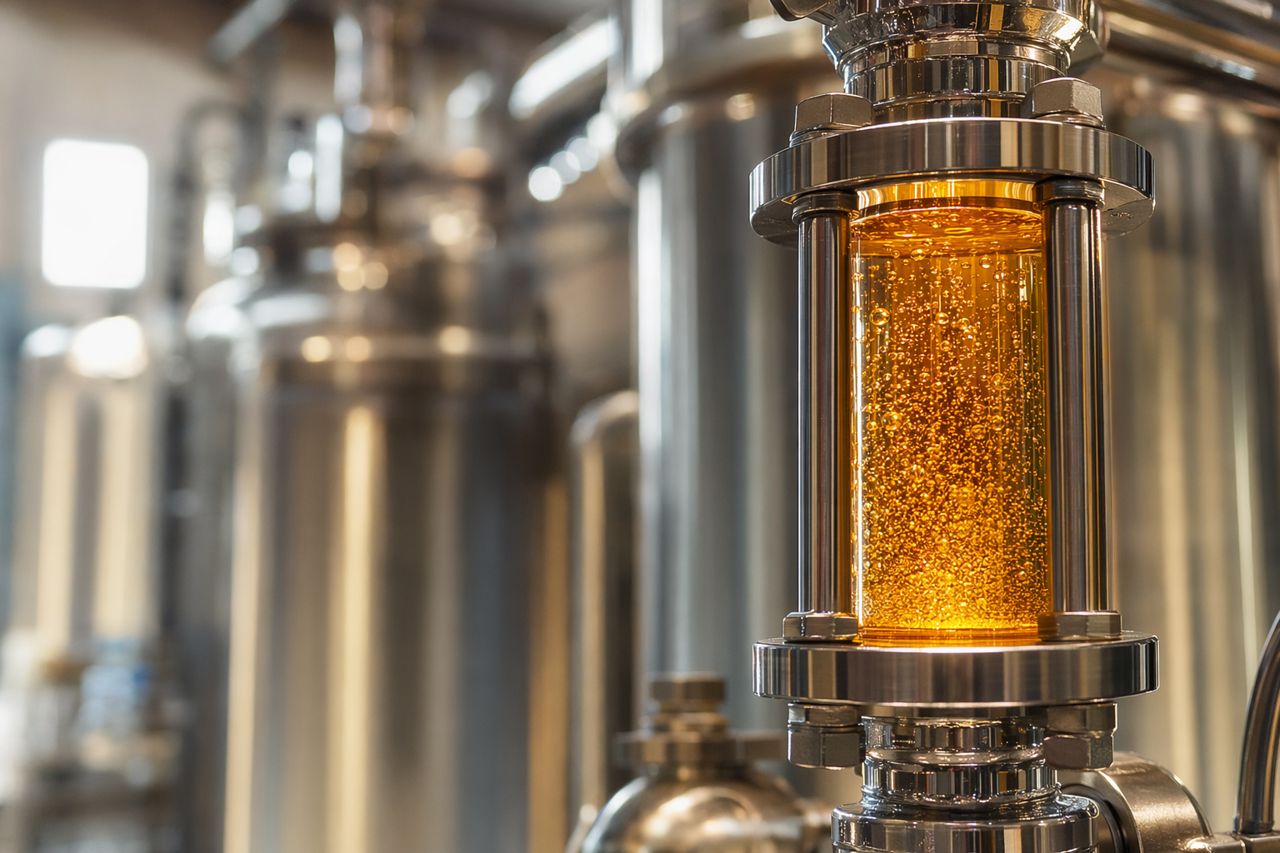
Fungal Alpha-Amylase is used after starch liquefaction to continue controlled hydrolysis of alpha-1,4 glucosidic bonds, converting dextrinized starch into shorter dextrins and maltose-rich sugar profiles. For syrup and sweetener producers, its value is not simply “more conversion.” It is control: predictable viscosity reduction, clean saccharification behavior, and a more manageable route to targeted carbohydrate distribution.
Fungal Alpha-Amylase Solutions supports formulation, process, and procurement teams evaluating Fungal Alpha-Amylase for starch-based sweeteners, maltose syrup, brewing adjunct syrups, and intermediate sugar streams where repeatability matters. Supply is wholesale and quoted per order, for syrup producers, brewers and the distributors who serve them.
Wholesale and bulk supply for manufacturers, distributors and resellers. Every fungal alpha-amylase order is quoted individually. Request a quote with the application, the quantity you need and the destination country.
Where it fits in the starch sweetener process
Fungal Alpha-Amylase is typically introduced after primary liquefaction, when starch has already been gelatinized and partially dextrinized. At this stage, the enzyme helps refine the syrup profile by producing fermentable and partially fermentable sugars while limiting excessive conversion to glucose when that is not the objective.
Common process positions include:
- Post-liquefaction saccharification for maltose-rich syrup production
- Dextrin trimming prior to blending, concentration, or further enzymatic conversion
- Carbohydrate profile adjustment for brewing, baking, confectionery, and fermentation feed streams
- Support enzyme in systems using beta-amylase, pullulanase, or glucoamylase depending on the desired sugar spectrum
Fungal Alpha-Amylase does not debranch alpha-1,6 linkages. For higher maltose yield from branched starch substrates, it is commonly evaluated alongside a debranching enzyme. For high-glucose syrup objectives, glucoamylase-led systems are more appropriate, with Fungal Alpha-Amylase used selectively when dextrin profile control is needed.
Processing advantages
Controlled dextrin breakdown
The enzyme acts endo-wise on gelatinized and liquefied starch chains, reducing molecular size and supporting a smoother transition from high-viscosity dextrin liquor to a more processable saccharification stream.
Maltose-oriented sugar development
In the right process window, Fungal Alpha-Amylase supports maltose formation without pushing the system toward full glucose conversion. This makes it relevant for syrup profiles where sweetness, fermentability, browning behavior, and solids handling must be balanced.
Lower viscosity and improved handling
As dextrins are shortened, syrup flow, filtration, transfer, and downstream concentration can become easier to manage. The result is often less mechanical stress on pumping and separation steps and better consistency through the line.
Compatibility with multi-enzyme systems
Many starch sweetener processes are not single-enzyme systems. Fungal Alpha-Amylase can be positioned to complement debranching or saccharifying enzymes, helping define the early and mid-stage carbohydrate profile before final conversion targets are locked in.
Practical performance window
Fungal Alpha-Amylase is generally suited to mildly acidic saccharification conditions and moderate process temperatures. In industrial starch syrup work, teams commonly evaluate it around pH conditions near the acidic side of neutral and temperatures that protect enzyme activity while maintaining substrate mobility.
Key variables to confirm during trial work:
- Liquefaction completeness before enzyme addition
- Residual dextrin size and viscosity entering saccharification
- pH stability across the hold period
- Calcium, salts, and process water composition
- Temperature profile during addition, hold, and enzyme stop
- Target maltose, maltotriose, dextrin, and glucose distribution
- Interaction with debranching or secondary saccharification enzymes
- Downstream concentration, color, filtration, and storage behavior
Because starch source, liquefaction severity, and syrup specification strongly affect results, Fungal Alpha-Amylase Solutions recommends application testing against the buyer’s actual substrate and target carbohydrate profile.
Starch sources and end-use fit
Fungal Alpha-Amylase can be evaluated across corn, wheat, tapioca, potato, and other refined starch streams, provided the upstream liquefaction step delivers an accessible substrate. Performance should be validated for each starch base because branching structure, residual protein, mineral load, and gelatinization history influence saccharification behavior.
Typical end-use areas include:
- Maltose syrup and high-maltose syrup systems
- Brewing adjunct syrups
- Fermentation feed syrups where controlled fermentability is required
- Bakery and confectionery syrups where sweetness and browning behavior are specification drivers
- Intermediate starch hydrolysates for further enzymatic processing
Specification questions we help resolve
Procurement teams often receive enzyme options that look similar on paper. The difference becomes visible in process behavior. Fungal Alpha-Amylase Solutions helps buyers clarify practical selection criteria before scale-up:
- Liquid or powder format preference
- Food-processing suitability and documentation requirements
- Target syrup carbohydrate distribution
- Process pH and temperature constraints
- Required shelf-life and storage conditions
- Packaging size, handling format, and batch traceability
- Compatibility with existing liquefaction and saccharification equipment
- Trial quantities, production forecast, and continuity of supply
Trial guidance for production teams
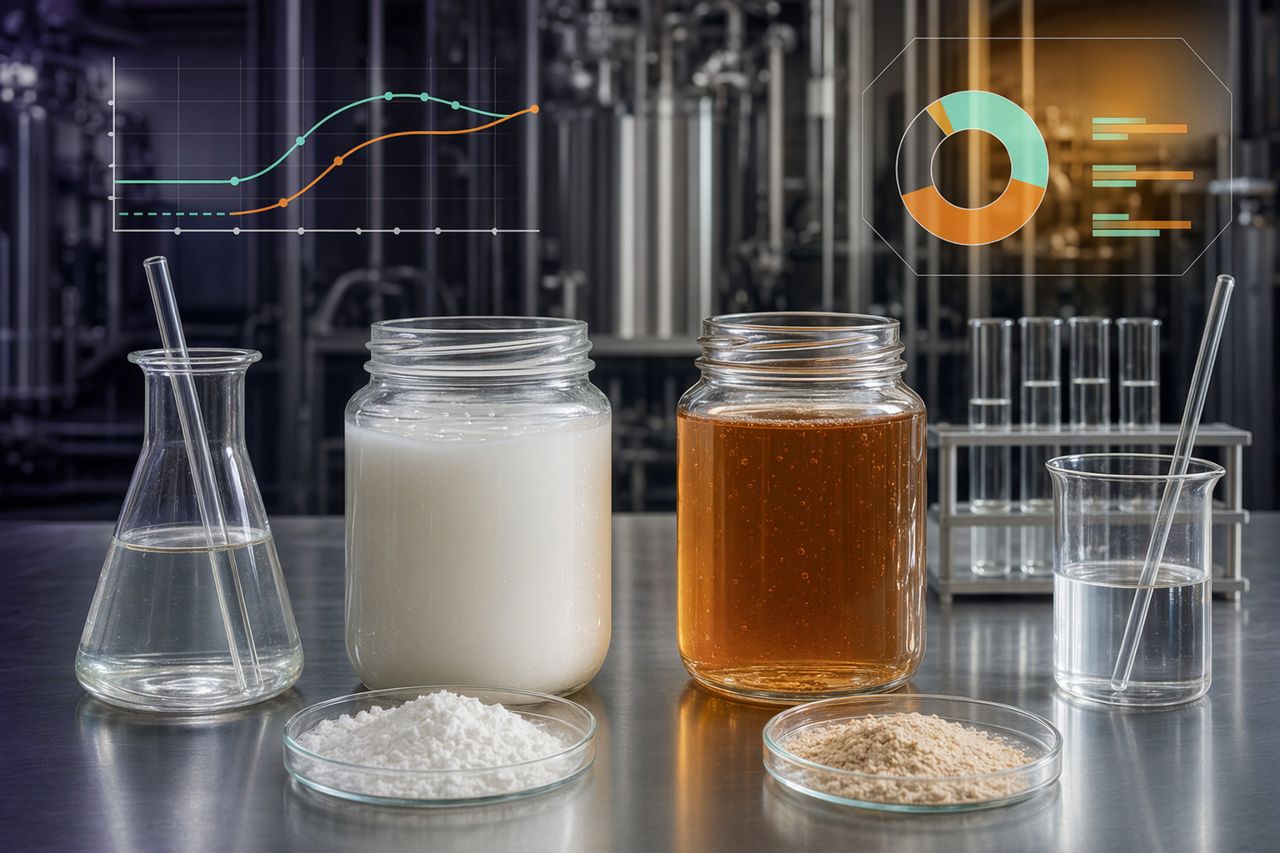
A useful plant or pilot trial should compare more than final sugar content. Track the operational behavior of the syrup throughout the saccharification curve.
Recommended trial observations:
- Measure viscosity trend from enzyme addition through the hold period.
- Monitor carbohydrate profile at defined time points.
- Compare filtration, evaporation, and color development against the current process.
- Confirm whether secondary enzymes improve or over-convert the target profile.
- Validate the enzyme stop condition against downstream quality expectations.
- Review finished syrup performance in the intended application, not only in the lab.
The strongest enzyme choice is the one that delivers the target sugar profile while staying stable, practical, and economical inside the real production window.
Request pricing or a technical fit review
Share your starch source, target syrup profile, process conditions, and preferred enzyme format. Fungal Alpha-Amylase Solutions will respond with product fit, documentation availability, pack options, and pricing for your application.