Fungal Alpha-Amylase for Mild Textile Starch Desizing
Fungal Alpha-Amylase for mild starch desizing workflows
Textile desizing is a controlled removal step, not a place for guesswork. When starch-based warp sizes need to be reduced before washing, scouring, bleaching, dyeing, or finishing, Fungal Alpha-Amylase supports a mild enzymatic route with practical control over starch breakdown.
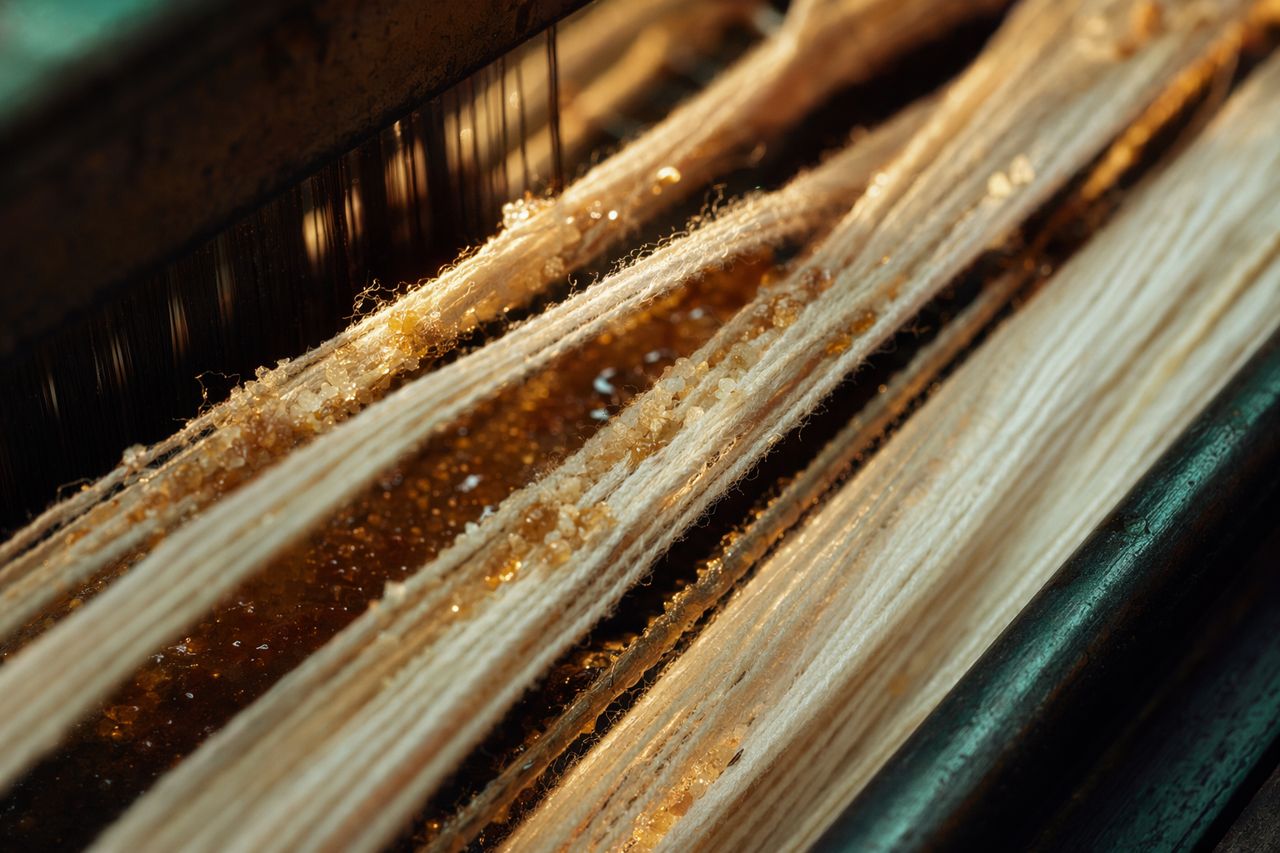
This application is relevant where mills want to soften and hydrolyze starch films without relying only on aggressive chemical conditions. The enzyme acts on accessible starch in the size layer, reducing viscosity and helping wash stages remove loosened residues from the fabric surface.
Fungal Alpha-Amylase Solutions supplies fungal alpha-amylase in bulk to textile mills, dye houses, textile-auxiliary formulators and the distributors who serve them. Supply is quoted per order: send the fabric type, the size system, your volume and the destination.
Wholesale and bulk supply for manufacturers, distributors and resellers. Every fungal alpha-amylase order is quoted individually. Request a quote with the application, the quantity you need and the destination country.
Where it fits in textile processing
Fungal Alpha-Amylase can be used in desizing workflows for woven goods carrying starch or starch-dominant size systems. It is typically evaluated before downstream wet processing steps where residual size may affect absorbency, dye levelness, handle, or finishing consistency.
Common use contexts
- Cotton and cotton-rich woven fabrics carrying starch-based warp size
- Blended fabrics where the size package contains accessible starch
- Mild desizing baths before scouring or combined preparation sequences
- Mills seeking controlled starch removal with reduced chemical severity
- Trial programs comparing enzymatic desizing with oxidative or high-alkali routes
What the enzyme does
Fungal Alpha-Amylase hydrolyzes starch chains into smaller, more soluble fragments. In desizing, that action helps weaken the size film so it can be carried away by subsequent washing.
The key processing objective is not maximum breakdown at any cost. It is sufficient, even, and reproducible starch reduction while protecting fabric quality and maintaining a preparation route that is stable for production teams.
Practical performance factors
Desizing performance depends on the whole bath and fabric system, including:
- Starch type and degree of gelatinization
- Presence of waxes, oils, acrylics, PVA, or other size additives
- Fabric construction, pick density, and wet-out behavior
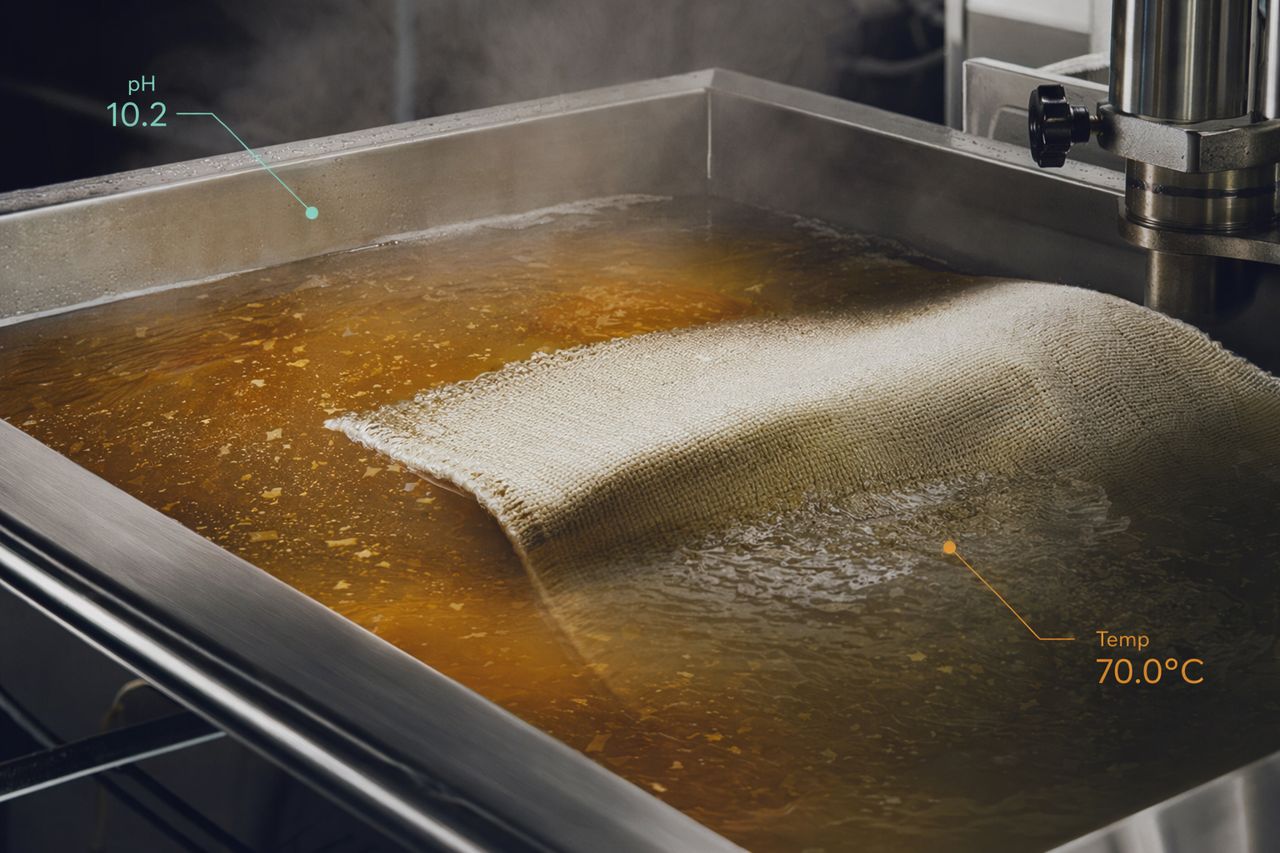
- Bath pH and temperature profile
- Dwell time, liquor movement, and squeeze consistency
- Wash-off efficiency after the enzyme stage
- Compatibility with surfactants, wetting agents, and downstream chemistry
Fungal Alpha-Amylase Solutions supports application review around these variables so formulation and production teams can define a realistic validation plan before scale-up.
Operating window guidance
Fungal Alpha-Amylase is selected for mild aqueous desizing conditions. In practice, mills commonly validate it in mildly acidic to near-neutral systems with moderate heat, sufficient moisture, and uniform liquor contact.
Because textile size recipes vary widely, final use level and bath conditions should be set by fabric-specific testing. The right program should confirm starch removal, absorbency, fabric strength, handle, shade impact, and wash-off quality under the mill’s own equipment conditions.
Benefits for textile mills
- Controlled hydrolysis of starch-based size films
- Mild process fit compared with harsher chemical-only approaches
- Support for improved absorbency before dyeing or finishing
- Potential reduction in over-processing when starch is the main target
- Flexible positioning in batch, pad-batch, or continuous preparation concepts
- Useful for mills standardizing preparation quality across fabric lots
Formulation and compatibility notes
For best results, the desizing bath should be built around wet-out, enzyme contact, and wash-off. Avoid conditions or additives that can suppress enzyme activity before the starch film has been sufficiently opened.
Fungal Alpha-Amylase Solutions recommends reviewing:
- Target fabric and size composition
- Desizing equipment and residence time
- Bath pH and temperature controls
- Wetting agent selection
- Rinse and wash sequence after enzymatic treatment
- Downstream scouring, bleaching, dyeing, or finishing requirements
Quality checks for validation
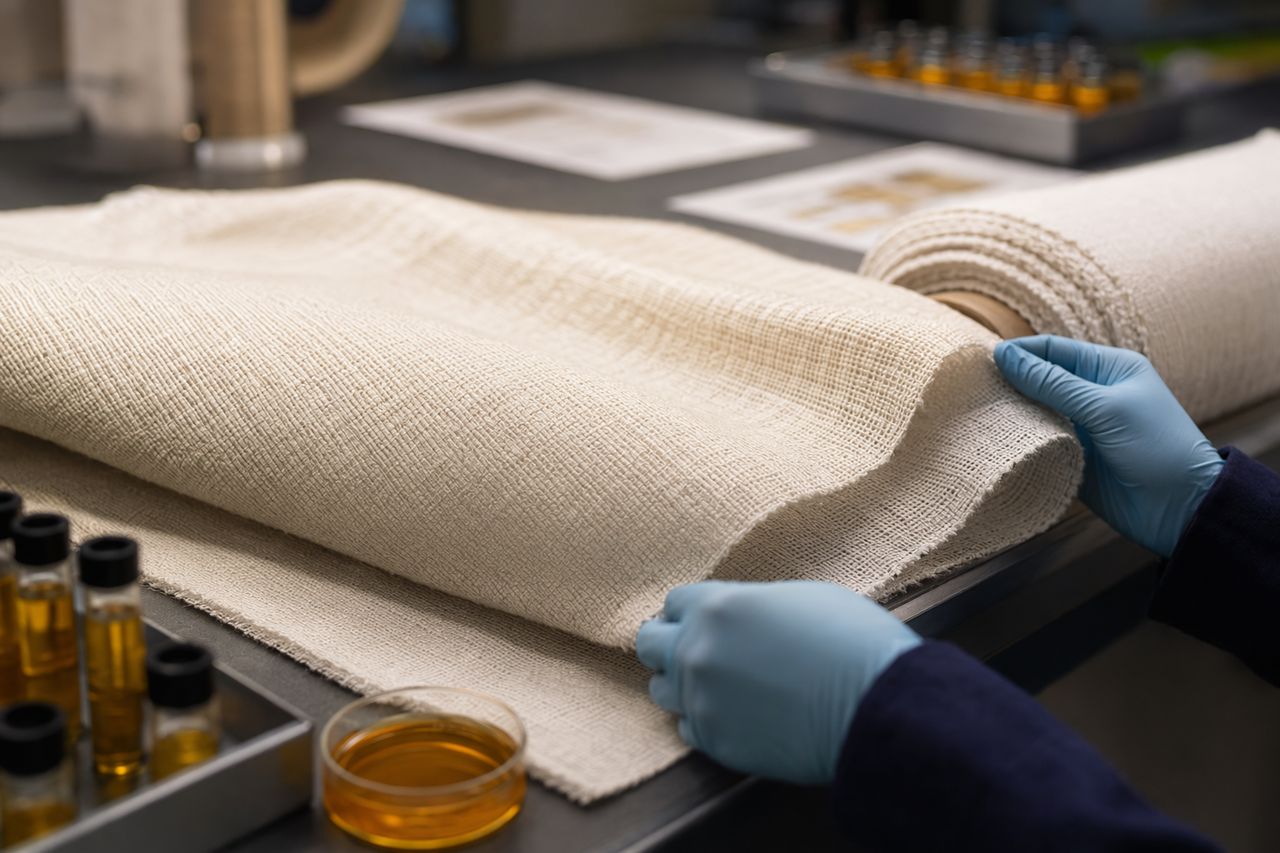
A desizing trial should be measured by production-relevant outcomes rather than by the enzyme alone. Useful checks include residual starch assessment, water absorbency, fabric appearance, tensile impact, process reproducibility, and any effect on subsequent dyeing or finishing.
For procurement and technical teams, this creates a clearer specification: the enzyme is selected as part of a verified workflow, not as an isolated input.
Procurement confidence
Fungal Alpha-Amylase Solutions supplies Fungal Alpha-Amylase for industrial buyers who need practical application alignment, consistent documentation, and direct technical discussion before purchasing.
We can support:
- Application-fit review for starch desizing
- Sample planning for lab or production trials
- Grade selection based on process requirements
- Documentation review for purchasing and quality teams
- Quote support for recurring industrial supply
Ready for a quote? Use the inquiry form at the foot of this page. Tell us the product or application, the quantity, your preferred format and the delivery country. We quote price and lead time per order and tell you which documents are available for that grade.
Request pricing or a technical quote
Share your fabric type, size system, process format, and target desizing conditions. Fungal Alpha-Amylase Solutions will respond with a practical recommendation and pricing path for your site.